
Stop Paying for Security That Doesn’t Work: How to Audit Your MSSP in 5 Steps

You’re paying the invoices every month. You see the “All Clear” reports in your inbox. But when a real threat hits, will your Managed Security Service Provider (MSSP) actually be there to stop it? Or are you just paying for the illusion of safety?
In the world of cybersecurity, “set it and forget it” is a recipe for disaster. We’ve seen it time and again: companies think they’re protected until a breach reveals that their provider hasn’t updated a rule in six months. At Cenova Cyber, we believe in TRUSTED SOLUTIONS – PROVEN RESULTS. If your current provider isn’t delivering both, it’s time for a change.
Audit your provider before the hackers do it for you. Here is how to audit your MSSP in five decisive steps.
STEP 1: SCOPE CHECK – ARE YOUR CROWN JEWELS PROTECTED?
Before you can grade your provider, you need to know exactly what they are supposed to be guarding. Many MSSPs provide a “blanket” service that sounds great on paper but misses the nuances of your specific business. If they aren’t protecting your most critical assets: your “crown jewels”: they aren’t doing their job.
Start by mapping your internal requirements against their service descriptions. Are they monitoring your cloud accounts, your remote endpoints, and your legacy applications? Or are they just watching the front door while the back window is wide open?
KNOW YOUR DEFENSES:
- Business Scope: List every network, cloud account, and application. Confirm they are all in scope.
- Service Alignment: Check your contract for Managed Cybersecurity specifics. Are they providing 24/7 monitoring, or just “business hours” alerts?
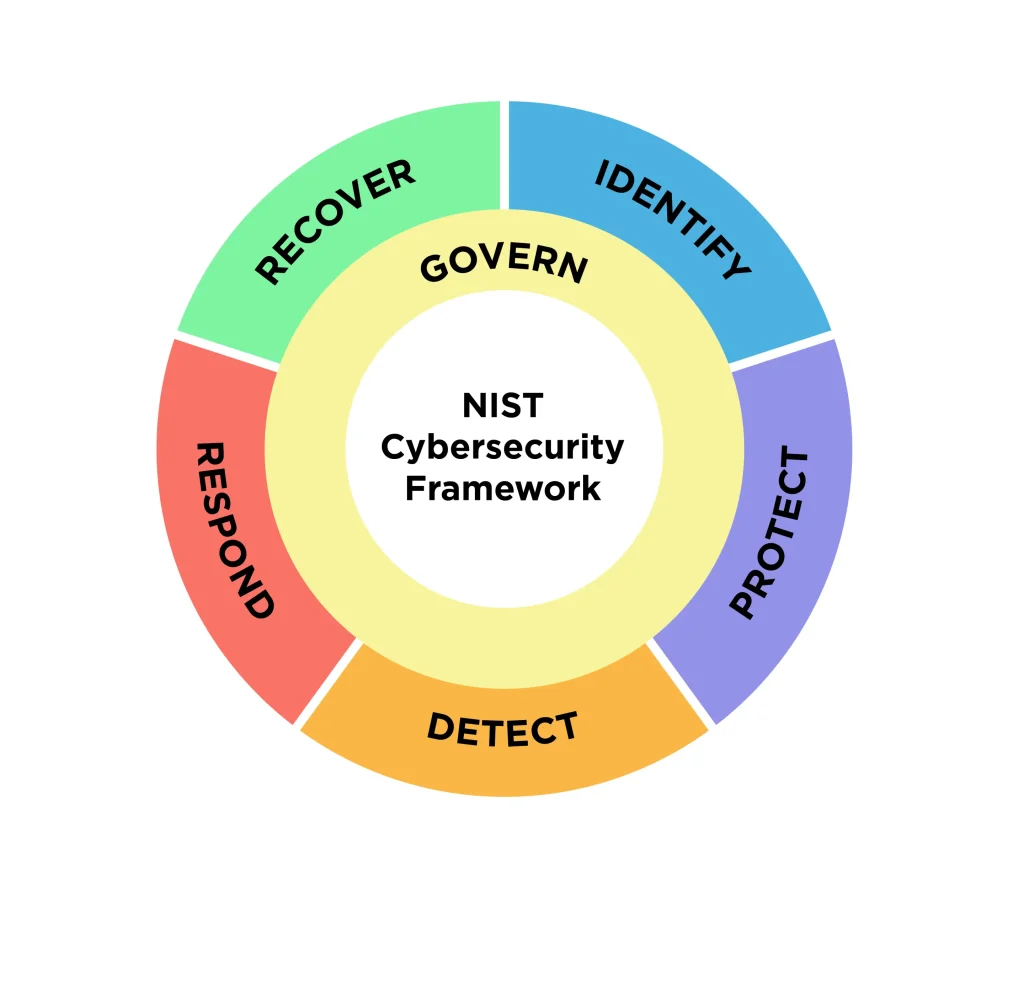
- Framework Mapping: Align their services with the NIST Cybersecurity Framework. If they aren’t covering Identify, Protect, Detect, Respond, and Recover, you have a gap.
We often find that businesses have grown, but their security scope hasn’t. If you’ve added a new cloud environment and your MSSP doesn’t know about it, you’re flying blind.
STEP 2: SERVICE LEVEL REALITY – TRUTH VS. CONTRACT
A Service Level Agreement (SLA) is more than just fine print: it’s a promise. But many providers hide behind “best effort” language. You need to know exactly how fast they react when the sirens go off.
Audit the Mean Time to Respond (MTTR). If a critical alert triggers at 2:00 AM on a Sunday, how long does it take for a human analyst to triage it? If the answer is “whenever they clock in on Monday,” you aren’t getting Security Monitoring: you’re getting a glorified answering service.
DEMAND ACCOUNTABILITY:
- Response Times: Verify the actual triage time vs. what the contract promises.
- Escalation Paths: Who gets called first? Is there a clear RACI (Responsible, Accountable, Consulted, Informed) chart?
- Penalty Clauses: If they miss an SLA, do you get a credit? If there are no consequences for failure, there is no incentive for excellence.
Focus on your business: not monitoring logs. If your provider is making you do the heavy lifting during an incident, they are a burden, not a partner.
STEP 3: THE TECH STACK AUDIT – WEAPONS OF CHOICE
The tools your provider uses are their WEAPONS OF CHOICE. If they are relying on outdated, legacy antivirus or basic firewalls, they are bringing a knife to a gunfight. A modern threat landscape requires modern tools like Managed Detection and Response (MDR) and XDR.
Ask your provider for a transparent look at their “Security Stack.” Are they using industry-leading tools, or are they cutting corners with white-label software that hasn’t been updated in years?
INSPECT THE ARMORY:
- Detection Capabilities: Do they have visibility into lateral movement within your network?
- Tuning & Noise Reduction: Are they proactively tuning rules to reduce false positives, or are they drowning you in “noise”?
- Integration: Does their tech stack talk to yours? Siloed security is weak security.
At Cenova Cyber, we utilize Risk Mitigation as a Service to ensure our tools are always evolving with the threat landscape. We don’t just “watch” your network; we hunt for threats before they become catastrophes.
STEP 4: TRANSPARENCY & REPORTING – NO MORE FLUFF
Most MSSP reports are designed to look impressive while saying nothing. They show you “1,000,000 blocks this month” to justify their fee, but “blocks” are easy. What matters are the targeted threats they stopped.
A true audit requires a deep dive into a sample of alerts from the last six months. Pick three incidents: one low, one medium, and one high severity. Ask your provider to walk you through the lifecycle of those alerts. What did they find? How did they enrich the data? What was the final resolution?
CUT THROUGH THE NOISE:
- Real-Time Visibility: You should have a dashboard that shows your status right now, not just a PDF at the end of the month.
- Compliance Evidence: If you are in a regulated industry like healthcare or finance, can they provide the logs needed for HIPAA Compliance or PCI audits?
- Root Cause Analysis: Do they tell you why an incident happened, or just that it was “resolved”?
If your provider’s reporting is opaque, they are likely hiding a lack of activity. Transparency builds trust. Fluff builds doubt.
STEP 5: STRATEGIC PARTNERSHIP – BEYOND THE TICKET
A vendor closes tickets. A partner grows your business.
The final step in your audit is assessing the “Relationship Value.” When was the last time your provider suggested a strategic improvement that wasn’t just a sales pitch? Do they understand your business goals for the next three years?

EVALUATE THE PARTNERSHIP:
- Strategic Guidance: Do they offer vCISO Services to help you navigate executive-level security decisions?
- Innovation: Have they introduced new automations or threat intelligence specific to your industry?
- Business Enablement: Is your security making it easier for you to sign new clients, or is it a bottleneck?
STOP SETTLING FOR “GOOD ENOUGH.” If your MSSP is just a line item on your budget and not a strategic asset, you are overpaying.
TAKE ACTION TODAY
Don’t wait for a breach to find out your security doesn’t work. An audit isn’t about finding someone to blame: it’s about ensuring your business is resilient, compliant, and ready for growth.
We’ve helped organizations across the nation move from “hope-based security” to “proven protection.” Whether you need a second set of eyes on your current setup or a complete security overhaul, we are here to lead the way.
Contact Us Today for a comprehensive security assessment. Let’s build a defense that actually works.